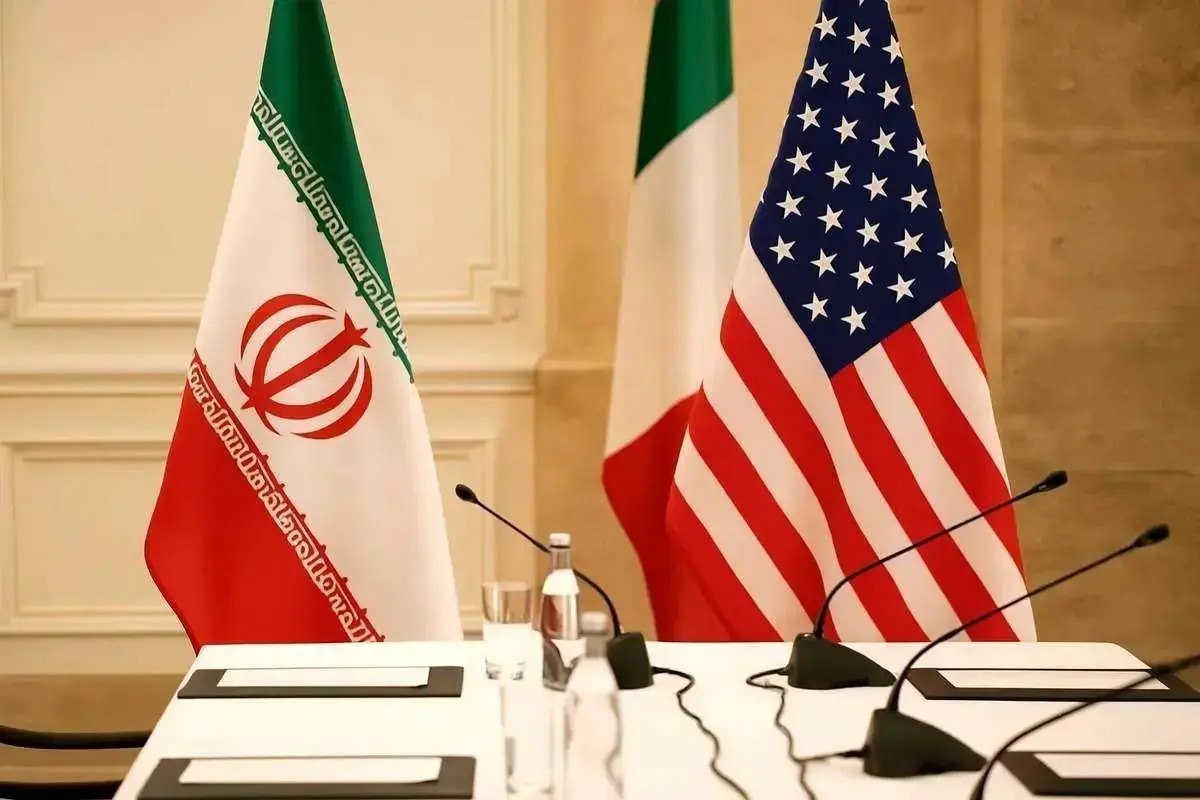
On the eve of a second round of talks between Tehran and Washington, Iran’s deputy foreign minister for diplomacy said the country is seeking a nuclear agreement with the United States that would deliver economic benefits for both sides.
According to a report published Sunday, 26 Bahman, by Fars News Agency, Hamid Qanbari told a meeting at Iran’s Chamber of Commerce that “for the sustainability of any agreement, it is essential this time that the U.S. can also benefit from sectors with high and rapid economic returns.”
He pointed to areas such as energy, oil and gas fields, fast-yield mining investments, urban development, and aircraft purchases as potential fields of profit for American companies. In return, he said Iran is seeking the “real and usable release” of its frozen financial assets.
Iran and the United States are scheduled to hold another round of negotiations this week in Geneva, hosted by Oman. The two countries resumed talks on 17 Bahman in an effort to prevent a new military confrontation.
Meanwhile, U.S. President Donald Trump said a second American aircraft carrier is heading toward Iran to increase pressure on Tehran, adding on 22 Bahman that any agreement must address nuclear weapons, the missile program, and other issues.
Experts believe the chances of success or failure in negotiations between Iran and the United States depend on a complex set of political, security, and economic factors. On one hand, sanctions pressure on Iran’s economy and Western concerns over Tehran’s nuclear program could push both sides toward a limited or phased agreement, as each seeks to reduce the costs of confrontation.
On the other hand, deep mistrust, disagreements over missile capabilities, regional influence, and long-term guarantees continue to pose serious risks to the talks.
Domestic developments in both countries, shifts in regional power balances, and the role of third-party actors could either facilitate or undermine progress.
Overall, negotiations are more likely to succeed if both sides conclude that an agreement is less costly than continued tension and confrontation; otherwise, the prospect of deadlock or collapse remains significant.