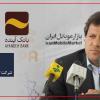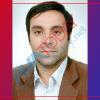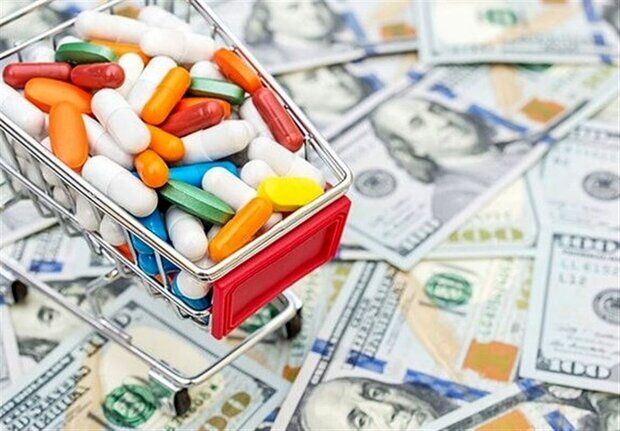
Mohammad-Bagher Abdollahi, CEO of the Eshragh Pharmacists Cooperative in Iran, expressed concern over the sharp rise in medicine prices in the country — “especially in recent weeks” — saying that “the majority of people” can no longer afford the medications they need.
According to him, compared with the beginning of the current Iranian year (2025–2026), the prices of “some medicines” have increased by as much as 200 to 300 percent.
Abdollahi cited the heart medication Plavix as an example, noting that its price has risen over the past year from about 300,000 tomans to 1.3 million tomans.
This dramatic surge in pharmaceutical prices comes amid a new wave of protests in Iran that began in January, when shopkeepers took to the streets, and quickly expanded to challenge the broader political establishment.
While government officials no longer describe these protests as “legitimate,” the administration of President Masoud Pezeshkian and other officials initially characterized the demonstrations — particularly those by merchants — as justified and reasonable, attempting to calm tensions through urgent economic measures.
One of these measures was the removal of preferential exchange rates and the unification of the dollar price, a move that fueled a rapid increase in prices from the very first days.