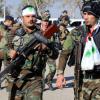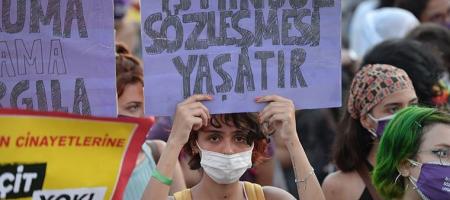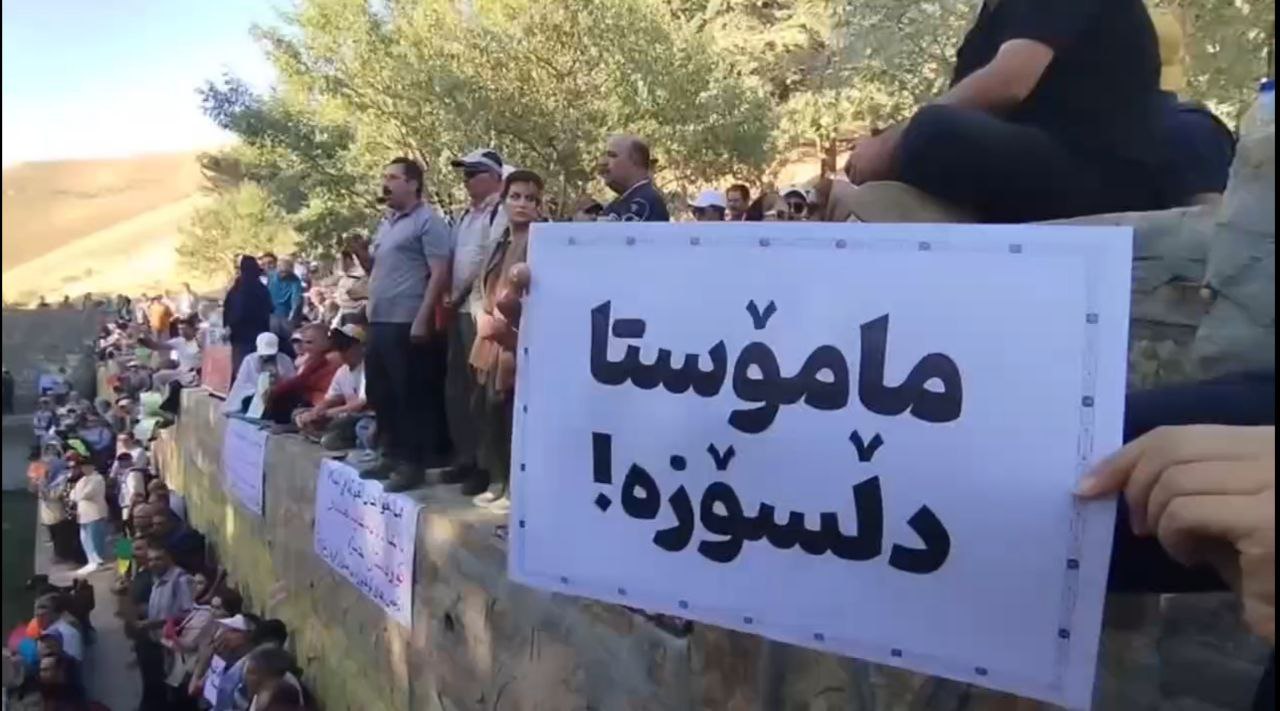
On the morning of Friday, August 29, hundreds of citizens of Sanandaj gathered along the “Abidar” hiking route at the invitation of the “People’s Committee in Support of Dismissed Kurdish Teachers.”
Participants, carrying placards and chanting slogans, voiced their opposition to the dismissal, exile, and permanent termination of Kurdish teachers, demanding the immediate revocation of these decisions. The march, which started from “Park-e Koodak” (Children’s Park) and continued to the foothills of Mount Abidar, was attended by large numbers of teachers, civil activists, and their families, and reflected broad social support for Kurdish teachers in the face of repressive state policies.
In recent months, dismissal and suspension orders against a number of Kurdish teachers have been upheld by the Ministry of Education’s appellate board. Among them are Omid Shahmohammadi, Kaveh Mohammadzadeh, Hiwa Qureshi, and Parviz Ahsani from Divandarreh, who were dismissed for union activity and supporting teachers’ rights. Majid Karimi, with 21 years of service, was permanently dismissed; Leila Zarei, with 30 years of service, was forced into early retirement with demotion; Salah Hajimirzaei was suspended for one year; and Ghiyas Nemati was permanently expelled. The main charges against these teachers include participation in union activities, defending the right to education, and protesting discriminatory education policies.
Over the past decades, Kurdish teachers have played a pivotal role in raising awareness and awakening society in Kurdistan. Beyond their duty in classrooms, they have educated the younger generations about civil rights, cultural identity, and social justice, instilling the courage to protest and resist dictatorship. Their presence at the forefront of professional and civic protests has turned them into role models of resilience for students and families alike. It is precisely this enlightening role that has led the government to target them, as Kurdish teachers have been able to bring the concepts of freedom, equality, and justice into the heart of society with their powerful voices.
Part of the demands of Kurdish teachers in Iran go beyond economic and professional issues and are directly linked to the national and cultural rights of the Kurdish people. They have repeatedly called for the teaching of the Kurdish language in schools under Article 15 of the Constitution, the recognition of the cultural and historical identity of Kurds in the education system, and an end to discriminatory policies against Kurdish regions. They also emphasize the need for fair distribution of educational resources in Kurdistan, the elimination of discrimination in hiring and promotion, and equal participation in the management of the education system. These demands demonstrate that Kurdish teachers do not see education merely as the transmission of knowledge, but as a means of preserving identity and realizing social justice.