An Iranian lawmaker has said that the U.S. naval blockade of Iran's ports following the ceasefire was "far more severe than economic sanctions."
Mohsen Zanganeh, a member of the Iranian Parliament's Planning and Budget Committee, said on June 29 that the United States was determined to prevent Iran from bringing its oil revenues into the country.
"They were extremely sensitive about our oil exports and ensuring that we could not access foreign currency revenues. That is where they exerted intense pressure on us," Zanganeh said.
According to him, Iran's oil exports fell from around 1.7 million barrels per day to below 500,000 barrels per day at their lowest point. He added that payments for the remaining exports were delayed by three and a half to four months.
In another part of his remarks, Zanganeh compared conditions before and after the ceasefire, saying that "the naval conflict, the U.S. blockade against us, and Iran's closure of the Strait of Hormuz were far more difficult than the 40-day war."
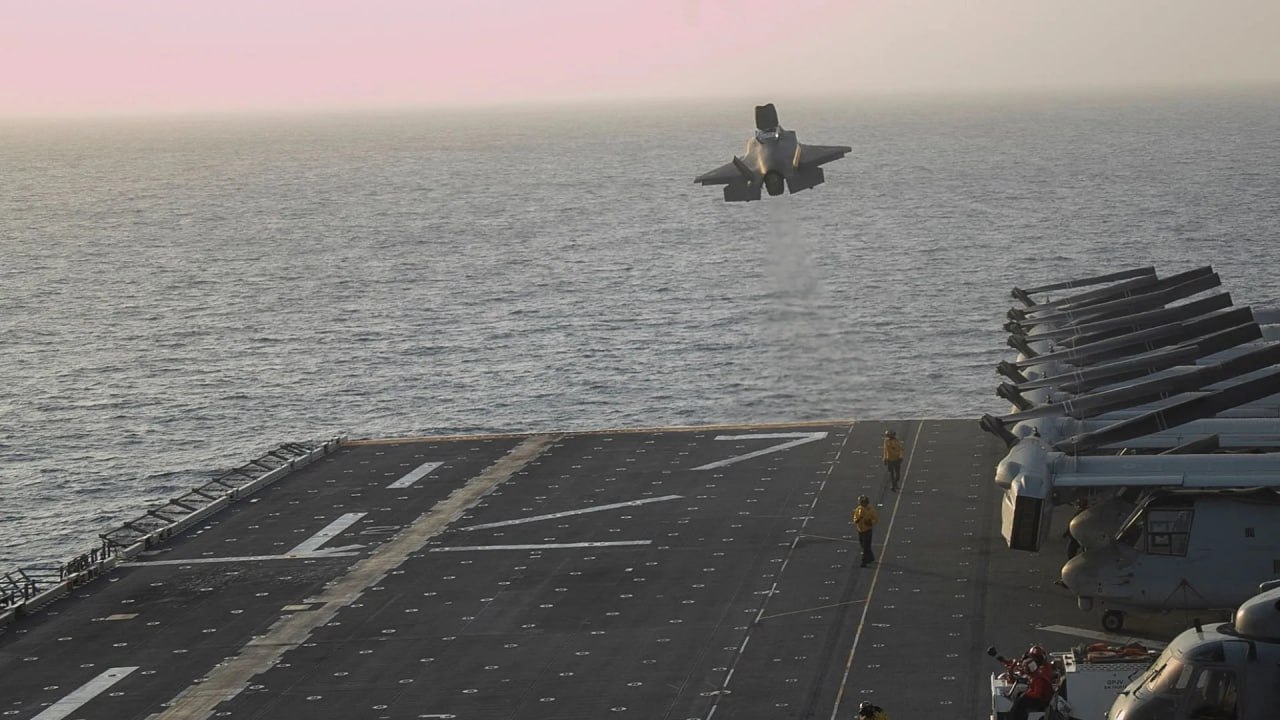
The 40-day war between the United States, Israel, and Iran ended with a ceasefire in late April. However, Washington maintained its naval blockade of Iranian ports—which had begun after the collapse of the Islamabad negotiations—and continued imposing sweeping restrictions on Iran's oil exports and access to foreign currency earnings.
The blockade remained in place until late June, when Iran and the United States signed a memorandum of understanding under which Washington agreed to lift the naval blockade, while Tehran accepted the full reopening of commercial shipping through the Strait of Hormuz.