How the Fourth Day of Attacks on Iran’s Terror-Linked Centers Unfolded
The news outlet Axios, citing an Israeli military official, reported that on Tuesday, March 3, the Israeli Air Force targeted the building of the Assembly of Experts in Qom.
The Persian-language account of the Israeli military on the social media platform X announced on Monday evening, March 2, that the headquarters of the Islamic Republic of Iran Broadcasting (IRIB) had been targeted in an attack.
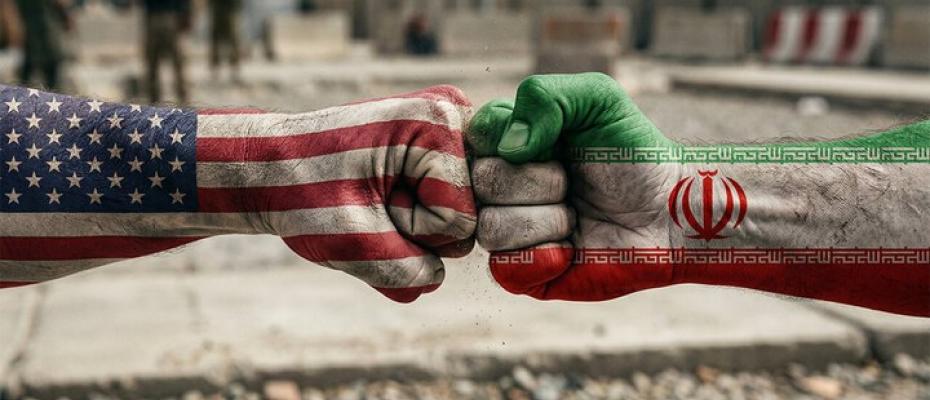
Following the official announcement by the Secretary of Iran’s Supreme National Security Council that Tehran will not negotiate with the United States, a new wave of missile and drone attacks by the Islamic Republic against Persian Gulf countries has begun.
On the third day of attacks by the United States and Israel against the positions and officials of the Islamic Republic, strikes continued from the early hours of Monday, 1 March, with numerous reports of explosions heard in various cities across Iran.<
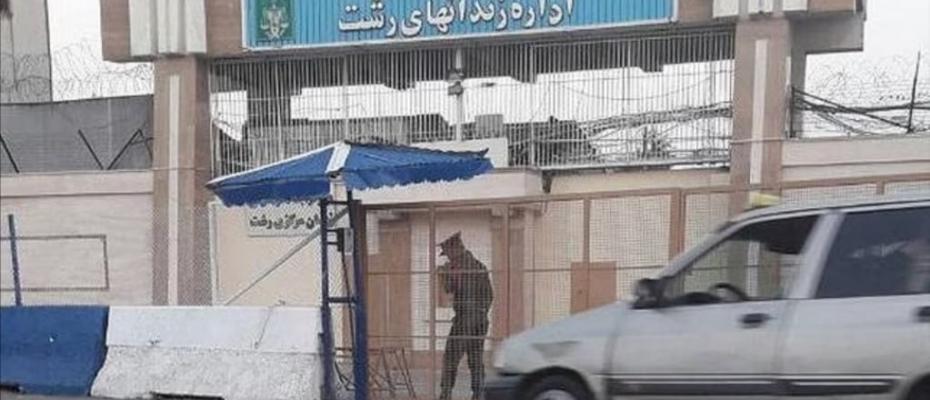
The Narges Mohammadi Foundation issued an “urgent call for action to protect the lives of prisoners in wartime conditions,” stating that the release of political prisoners — or at minimum the granting of temporary leave — is their right under the current circumstances.
Benjamin Netanyahu, Prime Minister of Israel, while not explicitly confirming Khamenei’s death, stated that there are strong indications suggesting he is no longer alive.
An Israeli official speaking to Western media named Ali Khamenei, Iran’s Supreme Leader, and Masoud Pezeshkian, the President of Iran, among the intended targets.
The attack was reportedly met with reactions of support and celebration among segments of the population in Iran, particularly in Kurdish-majority provinces.
The ministry stated that the UK’s ability to assist British nationals in Iran is now severely limited. The embassy is operating remotely, and no in-person consular services are being provided, even in emergency situations.
In a statement released on Friday, February 27, 2026, the ministry said: “Italian nationals who are in Iran for tourism or whose presence is not strictly necessary are requested to leave the country.”