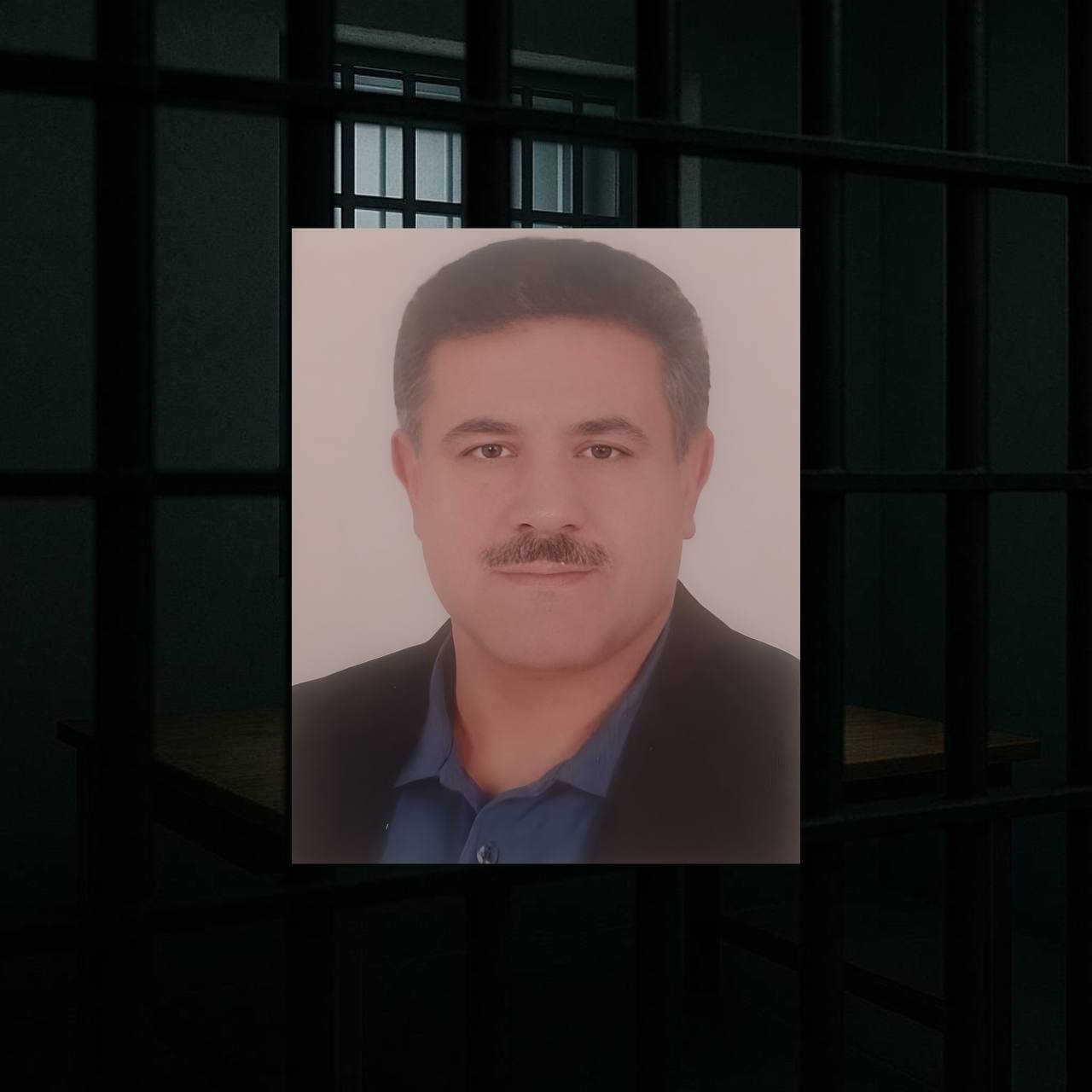
According to reports received by Avatoday, Saro Yarahmadi, a 57-year-old Kurdish dentist from Kermanshah, was arrested on Wednesday, September 18, 2025 (26 Shahrivar 1404), by agents of the Islamic Revolutionary Guard Corps’ (IRGC) intelligence organization.
Sources familiar with the case told Avatoday that three previously detained Kurdish citizens were pressured to provide coerced confessions against Yarahmadi, but they refused to endorse what they described as fabricated charges. At the time of his arrest, Yarahmadi was denied access to his essential medication and has since been barred from any contact with his family. To date, no official information has been released regarding the reasons for his detention, the status of his case, or the charges he may be facing.
This case comes against the backdrop of systematic repression in Iranian Kurdistan, where security and judicial authorities have for decades pursued a policy of politically motivated arrests under vague “national security” charges. Independent lawyers are routinely denied access to detainees, and trials often fail to meet minimum international standards of fairness.
According to the Kurdistan Human Rights Network, hundreds of cases of arbitrary arrest, teacher dismissals, forced exile, execution sentences, and ill-treatment of prisoners have been documented in the region. Other rights groups, including Hengaw, have reported deaths of Kurdish prisoners in custody, torture in detention centers, and executions of individuals convicted on political grounds.
In one recent report, media outlets noted that at least 63 activists or ordinary citizens were arrested, summoned to court, sentenced to prison, or executed in a single month.
Within a separate seven-day period, rights groups documented 63 human rights violations, including the killing of border porters (kolbars), the injuring of civilians, and direct attacks on livelihoods.
Taken together, these cases illustrate that repression in Kurdistan is not episodic but rather a deeply entrenched instrument of political, cultural, and economic control—leaving everyday life, freedom of expression, and the very right to safe existence under constant threat for the Kurdish population.