
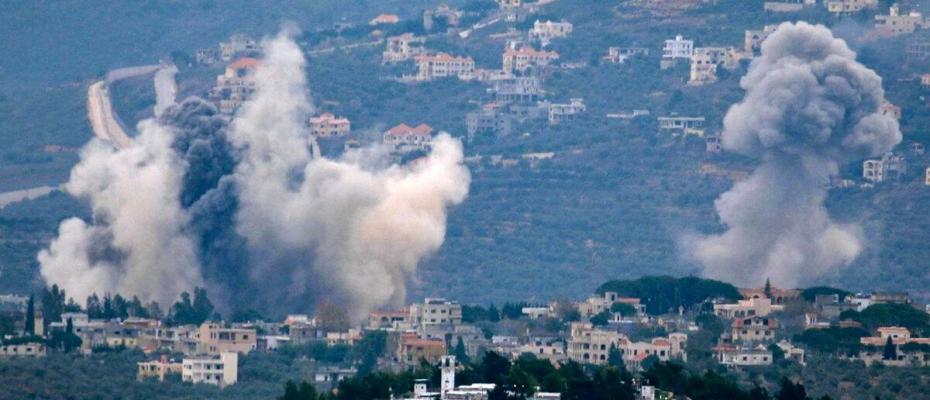
The Islamic Republic accused Israel of violating the ceasefire.
Following the Israeli military attacks on southern Lebanon on Tuesday, June 16, which left four people dead, the Khatam al-Anbiya Central Headquarters threatened retaliation.
Following the Israeli military attacks on southern Lebanon on Tuesday, June 16, which left four people dead, the Khatam al-Anbiya Central Headquarters threatened retaliation.
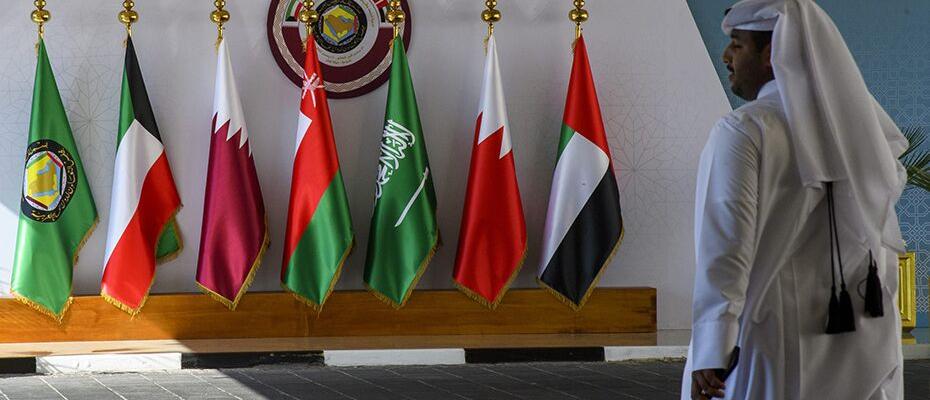
On Thursday, June 11, 2026, the Secretary-General of the Gulf Cooperation Council condemned, in the strongest terms, the "repeated treacherous attacks by the Islamic Republic" against Bahrain, Kuwait, and Jordan.

On Wednesday, June 10, 2026, Kuwait's Ministry of Foreign Affairs condemned the Islamic Republic's missile and drone attacks, describing them as a "dangerous escalation" against the country's security.

On the evening of June 7, the Islamic Revolutionary Guard Corps (IRGC) claimed that it had launched ballistic missile strikes against several locations in Israel, including the Ramat David Airbase.
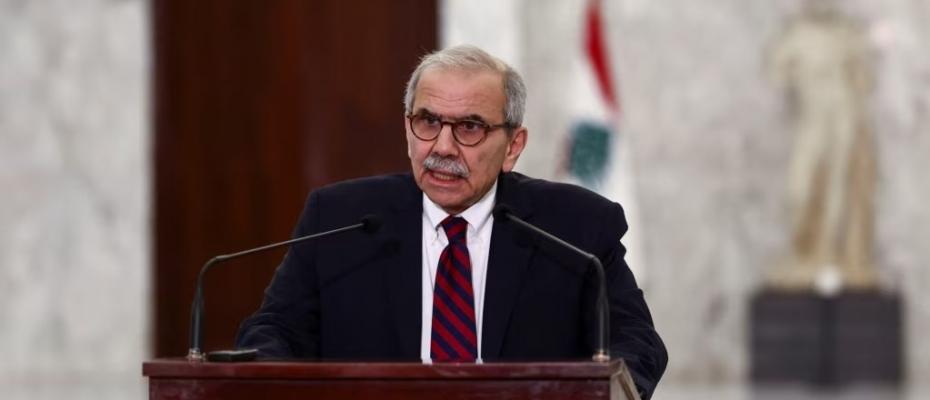
Lebanese Prime Minister Nawaf Salam defended the talks with Israel that were held at the Pentagon on May 29, 2026.
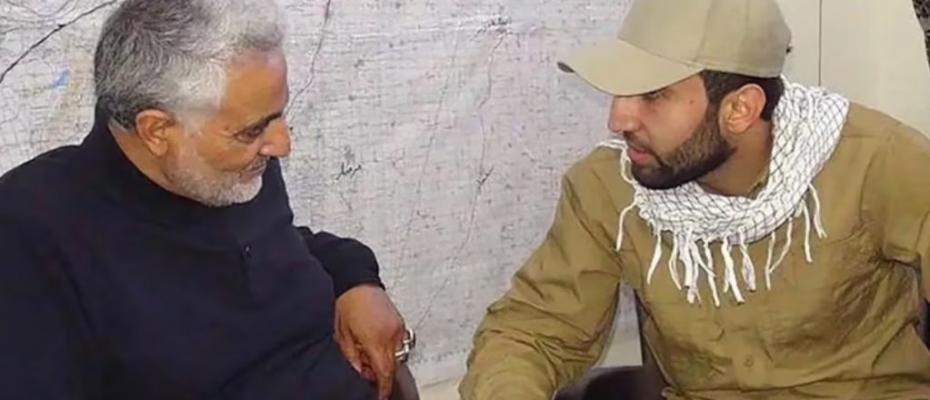
The United States Department of Justice announced on Thursday, May 28, 2026, that it had issued an indictment against an Iraqi-Iranian dual national identified as Mohammad Baqer Saad Dawood al-Saadi.

Several trading sources, who requested anonymity, told Reuters that exports of India’s premium Basmati rice, whose major markets include Iran, Saudi Arabia, the UAE, and Iraq, declined by 7 percent during the first four months of the year.

The official news agency of Bahrain reported that a court in the country sentenced nine defendants to life imprisonment and two others to three years in prison.
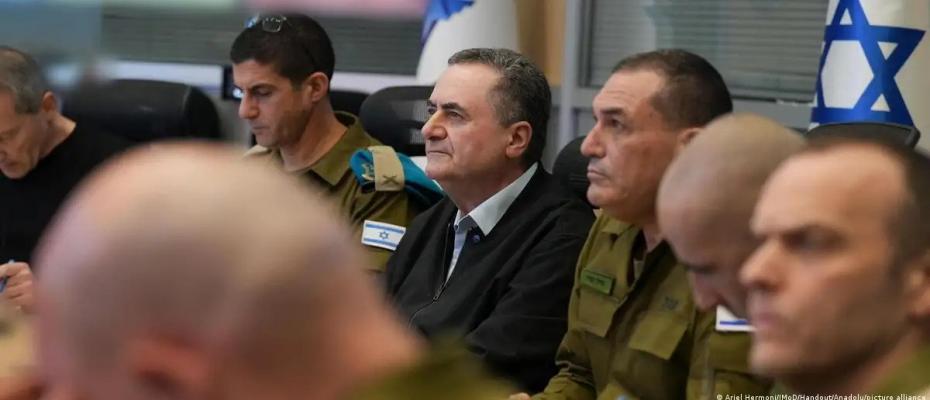
Israeli intelligence officials warned on Thursday, May 21, that the Islamic Republic may be planning a surprise attack using missiles and drones against Gulf countries and Israel.
Tommy Pigott, spokesperson for the U.S.