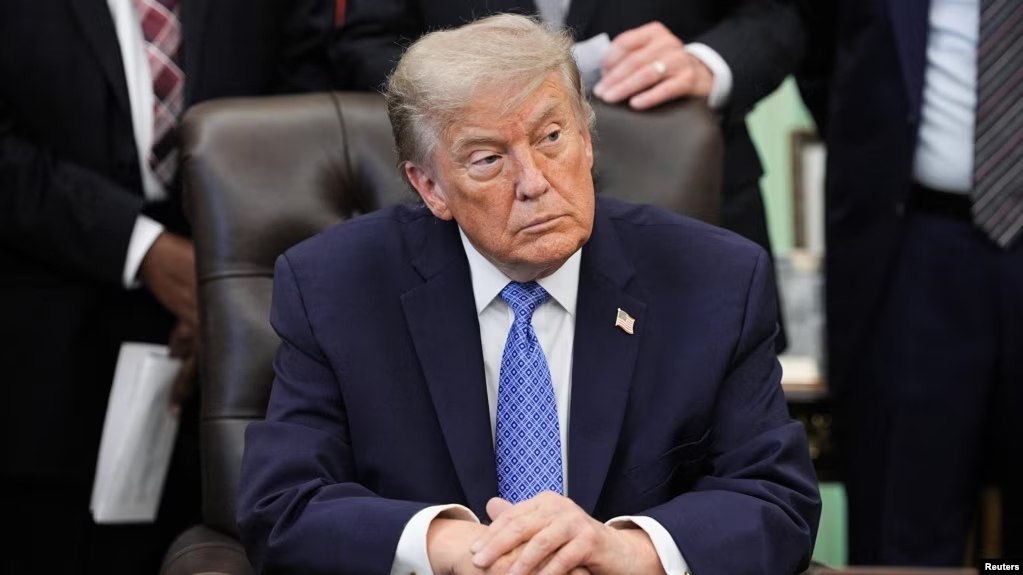
U.S. President Donald Trump discussed a wide range of issues, including the conflict with Iran, in an extensive interview with CNBC published in the early hours of July 3.
The interview, conducted ahead of the 250th anniversary of U.S. independence, featured Trump reiterating his criticism of the media and of previous U.S. administrations' Middle East policies while defending his decision to launch military action against Iran and the way his administration managed the conflict.
Trump emphasized that the confrontation was "not an ordinary war, but a war aimed at preventing Iran from acquiring nuclear weapons."
Recalling that "they cannot be allowed to have nuclear weapons," the U.S. president said he believed the conflict, which lasted approximately four months, was "relatively short."
Referring to the U.S. naval blockade of Iran, Trump described it as "a steel wall" and claimed that "not a single ship passed through Iran's ports" during that period.
However, according to data released by Lloyd's List Intelligence, vessels belonging to Iran's so-called shadow fleet crossed the blockade on several occasions.
Trump also reiterated that, under a prospective peace agreement based on the existing memorandum of understanding, Iran would purchase U.S. agricultural products, including grains and legumes.
"They have no income," Trump said. "So we will unfreeze part of Iran's blocked assets and use that money to buy wheat and legumes for them. They need food. They need corn, wheat, and soybeans. And we will purchase those products exclusively from American farmers."
Iranian officials have expressed differing views on the proposal. Among them, Abdolnaser Hemmati, governor of the Central Bank of Iran, said that Tehran "would not be obligated to purchase from the United States" and that any such decision would depend on an assessment of the quality of the products.
Meanwhile, several other Iranian officials—particularly following strong criticism from hardline conservative factions—have denied that such an arrangement exists altogether.